Cob Blog

April 26, 2010

It PAYS to Retrofit

Filed under: Uncategorized — admin @ 8:31 am

The Governments Pay As You Save scheme that offers loans of up to £15,000 which are tied to the property was announced 8 weeks ago but may not become available until 2012. It is part of DECC’s Home Energy Management Strategy that is designed to stimulate uptake of green energy measures and remove the pain of the upfront costs that previously limited them to better off households.

A recent article in the NewScientist outlined the payback times for many popular energy saving measures, based on figures from the Energy Saving Trust on a gas heated, 3 bed English Semi.

Cavity Wall Insulation – Cost £250, annual CO2 saving 610 kg, Payback time – 2 years.
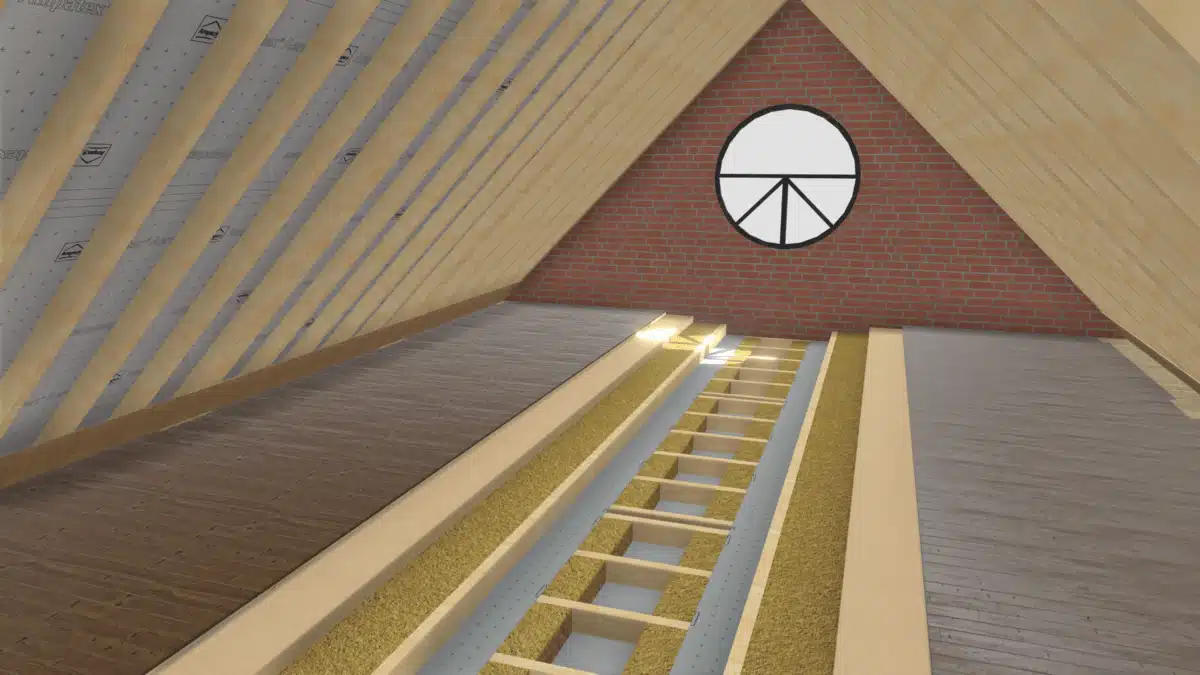
Loft Insulation – Cost £250, annual CO2 saving 800 kg, Payback time – 2 years.
Draughtproofing – Cost £200, annual CO2 saving 130 kg, Payback time – 8 years
Condensing Boiler – Cost £3000, annual CO2 saving 1260 kg, Payback time – 12 years.
Ground Source Heat Pump – Cost £10,000, annual CO2 saving 6000 kg, Payback time – 12 years (Electricity).
Internal Solid Wall Insulation – Cost £7000, annual CO2 saving 2000 kg, Payback time – 18 years.
External Solid Wall Insulation – Cost £13,000, annual CO2 saving 2100 kg, Payback time – 30 years.
Double Glazing – Cost £5000, annual CO2 saving 720 kg, Payback time – 35 years.
Small Mast Mounted Wind Turbine – Cost £15,000, annual CO2 saving 2600 kg, Payback time – 40 years.
Solar Electricity – Cost £11,000, annual CO2 saving 1000 kg, Payback time – 55 years.
Solar Water Heater – Cost £4000, annual CO2 saving 580 kg, Payback time – 50 years (electricity).

As can be seen from this, there are lots of ways to save energy but the costs, payback times and reduction on CO2 output vary enormously. It also highlights the limited impact of ‘Eco-Bling’ such as solar electric, solar thermal and wind turbines when much simpler and less obvious methods, such as insulation, have a far greater impact on our emissions.

The PAYS scheme will also help kick-start the retrofit market which is slowly moving forward. The government anticipate that by 2020 7 million homes will have received an eco-upgrade and this scheme will certainly help the EWI/ETICS (External Wall Insulation/External Thermal Insulation Cladding Systems) manufacturing industry.

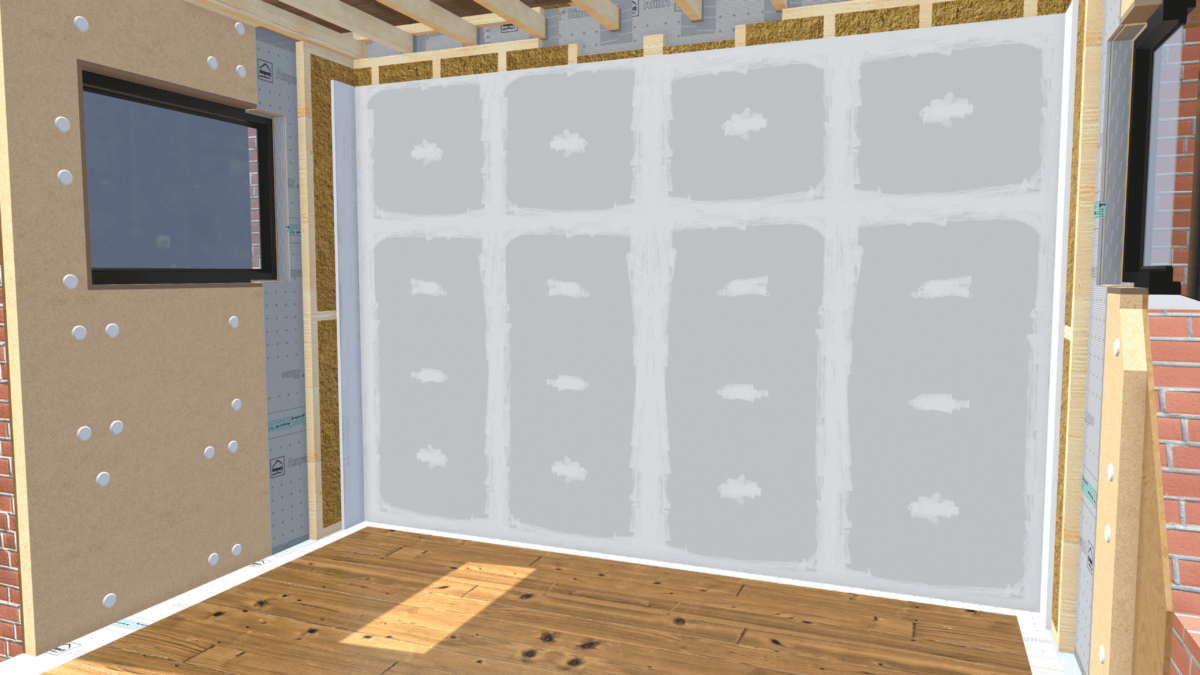
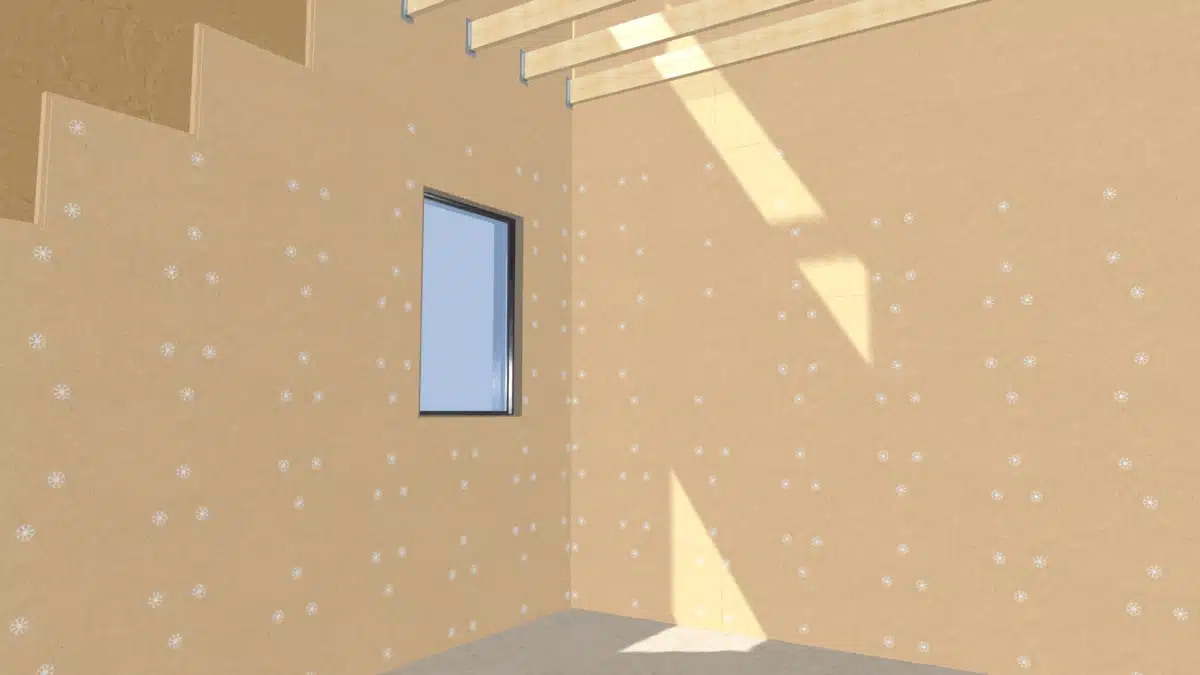
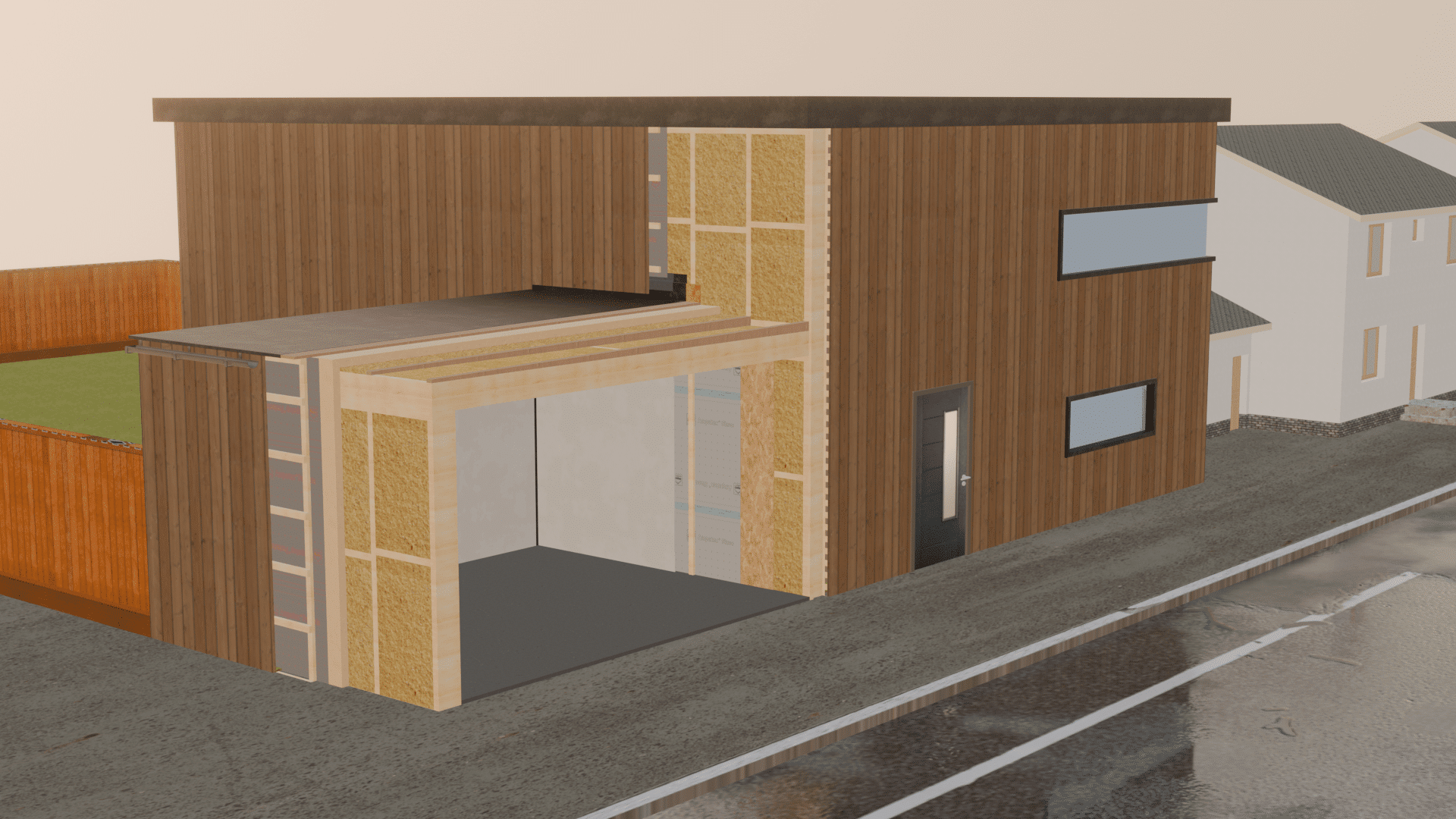
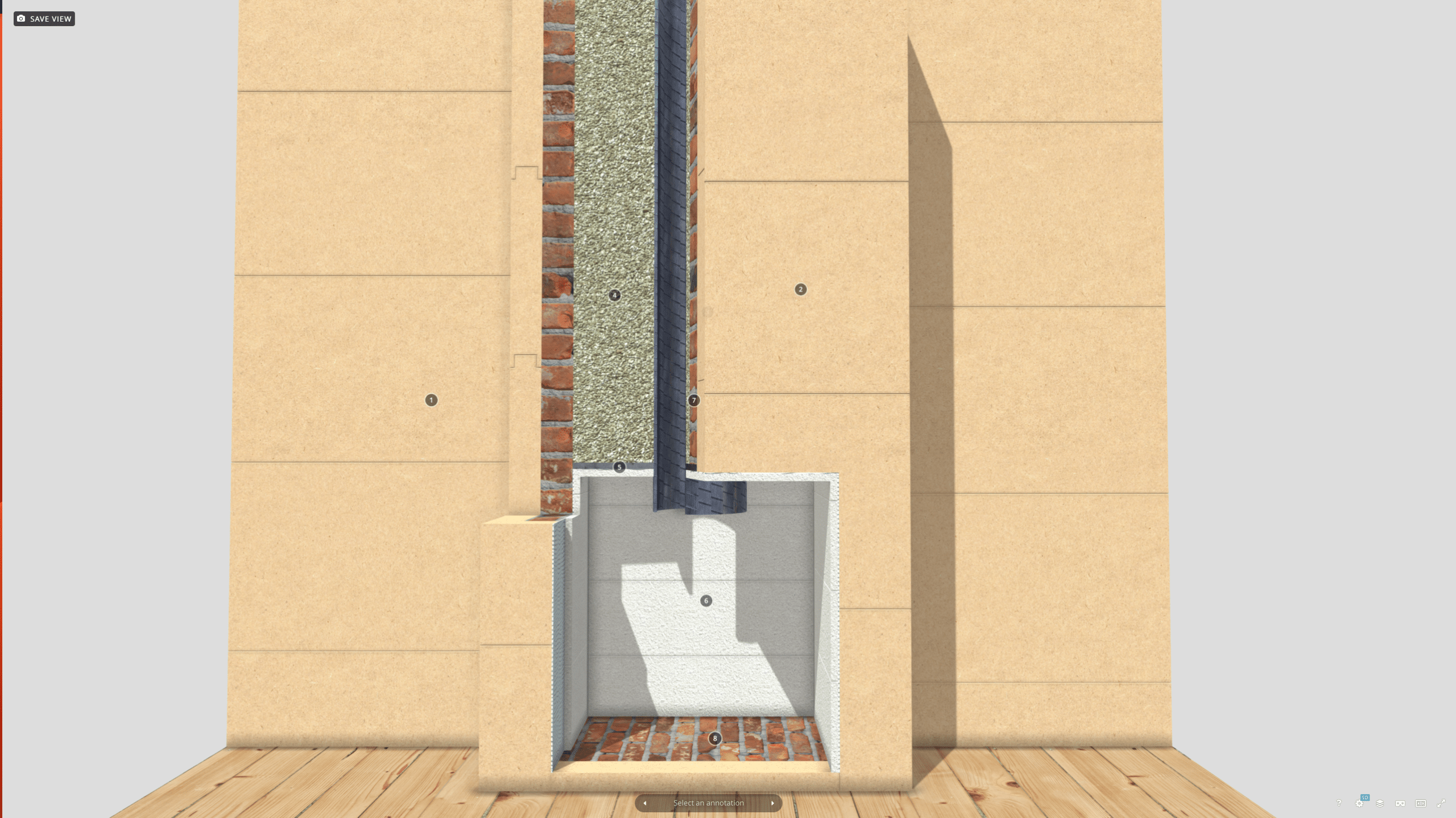
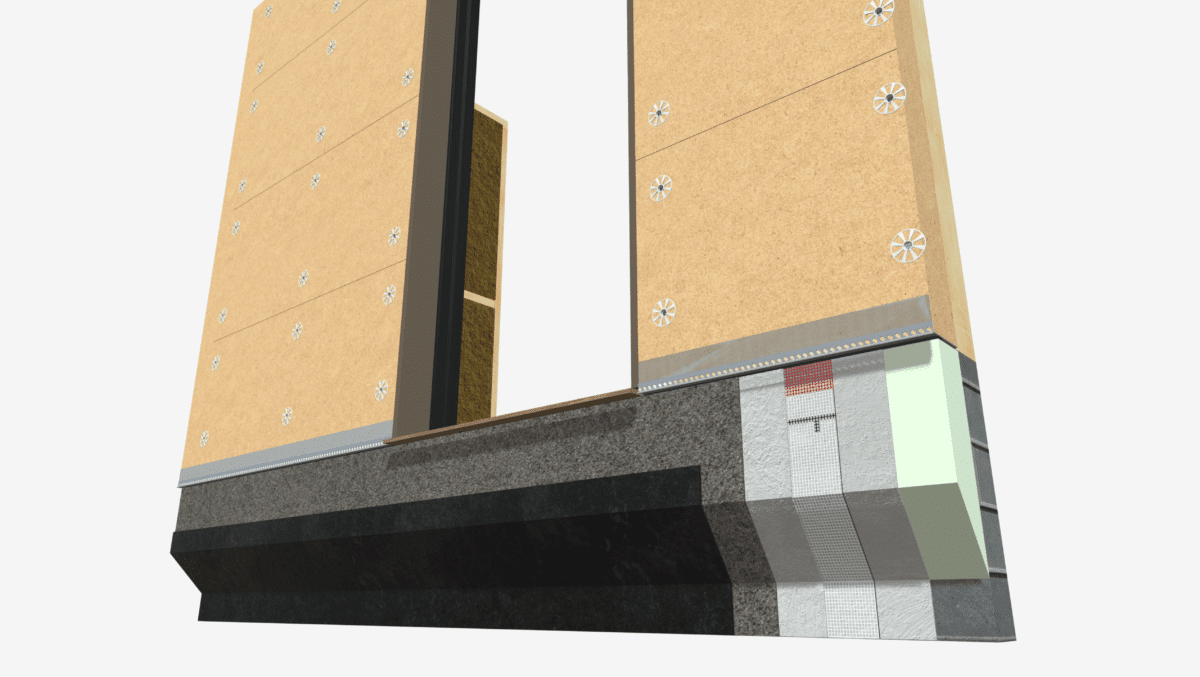
Fortunately, at Back to Earth, we have one of the best solid wall insulation systems on the market. Manufactured by Unger, the inventor of wood fibre insulation, UdiRECO is a cladding system with a 40mm rigid wood fibre render carrier that is backed by a flexible wood fibre material that, when fixed to a surface, moulds itself to the profile beneath. This avoids the need to remove external renders prior to installation. We also have an internal version with a unique moisture controlling plaster which does the same.

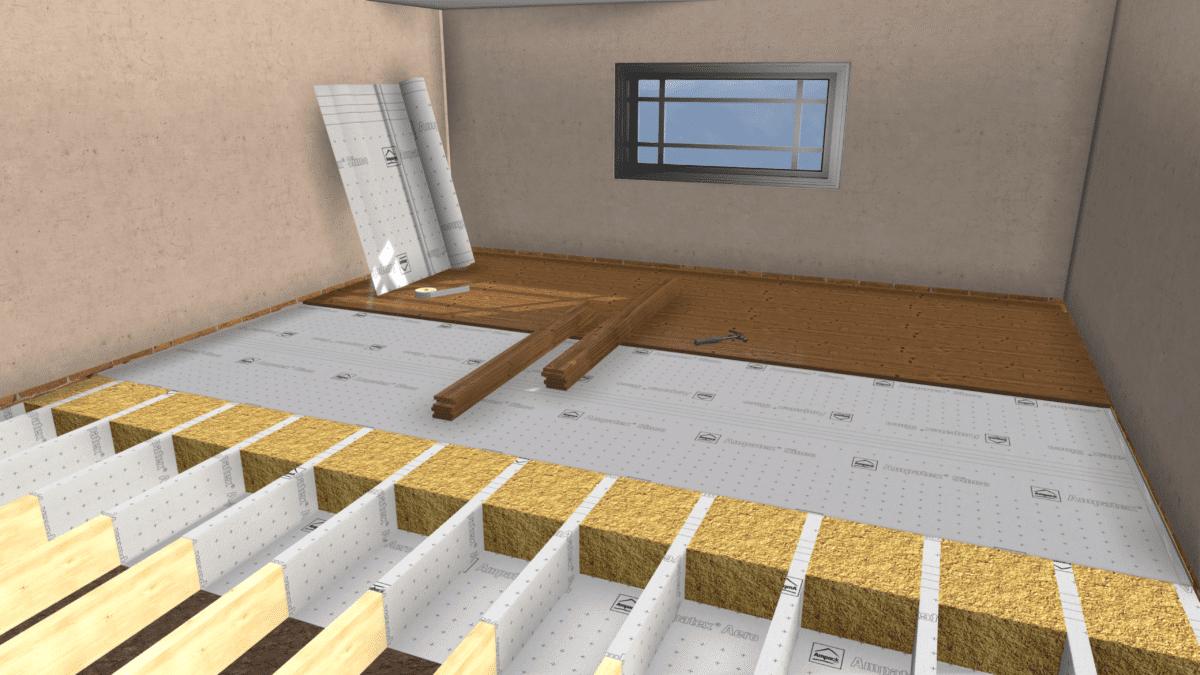
Wood Fibre Insulation is one of the best materials for retrofitting our existing housing stock, most of which pre-date 1919. It deals better than any other system with moisture, which becomes an ever more important topic as homes, especially older ones, become more and more airtight and better insulated. As Neil May of NBT recently highlighted in an article in the Green Building Magazine, it is one of the few insulation materials which can cope with our temperate, wet climate without causing mould growth and decay to the building beneath.

In spite of all of the focus on new building, retrofitting our existing housing is by far the most important challenge as even by 2050 85% of our current housing stock will still be in use. Schemes like PAYS will always have critics but so long as they move these topics up the agenda and bring such measures within the reach of most people they can be very beneficial.

March 17, 2010

BBA…..Finally!!!

Filed under: Uncategorized — admin @ 8:27 pm

Tradical® Hemcrete®, the innovative lime and hemp based renewable and highly thermally efficient alternative to conventional masonry cavity walls, has achieved British Board of Agrément (BBA) accreditation. With approval from the UK’s major authority on construction products, specifiers of Tradical® Hemcrete® can have total confidence in the product’s performance.

Developed in Europe by Lhoist and manufactured and distributed in the UK by Lime Technology, Tradical® Hemcrete® is produced from UK sourced hemp and a lime based binder (Tradical® HB). The product is carbon negative, as the hemp absorbs CO2 during its growth – and as such has 130kg less embodied CO2/m² than conventional brick and block in a normal wall section.

Alongside its environmentally beneficial production, Tradical® Hemcrete® offers superb insulation properties. The low U-value of walls built with the renewable system make it an ideal material for meeting the higher levels of the Code for Sustainable Homes.

Homes built with Tradical® Hemcrete®, also have excellent thermal inertia, meaning that they buffer temperature variations efficiently. This ensures heating or cooling needs are lower than in lighter weight buildings of the same U-value.

Highly vapour permeable and used in conjunction with lime based renders and plasters, it ensures a healthy internal environment. Tradical® Hemcrete® also has high fire resistance, making it a safe choice for any construction.

The accreditation comes as part of Lime Technology’s commitment to provide designers with the ability to specify a lime based, BBA approved, building solution for the construction industry that they can have complete confidence in.

“With BBA accreditation, our clients are now fully assured that Tradical® Hemcrete® has been rigorously and independently assessed for its performance as a walling system for use in all building types,” said Mike Eberlin, Managing Director of Lime Technology. He added, “It’s another step towards ensuring Tradical® Hemcrete® is seen as a commercially viable material for the mainstream construction market.”

The developer of Tradical® Hemcrete®, Lhoist, is the world’s leading industrial lime manufacturer. First formulated in France, Lhoist brought the technology to the UK in conjunction with Lime Technology with a view to providing this sustainable technology to the mainstream construction market. BBA accreditation was seen as an essential part of the process and Lhoist UK has worked with Lime Technology to provide the required assessment information to BBA that has resulted in the successful awarding of the Agrément Certificate.

BBA accreditation is highly trusted by construction professionals as providing a rigorous, independent assessment of construction materials and systems. This initial certification is the first of its kind awarded to a hemp lime construction system anywhere in the world.

Francois Bardout, Vice President & General Manager Lhoist UK, commented. “We are delighted by the award of this BBA accreditation because this paves the way for this highly sustainable construction system to be adopted more readily by designers and clients as part of their environmental strategy to help tackle climate change.”

The presentation of the BBA certificate was made at Ecobuild, the world’s largest eco-construction exhibition event, on 2nd March 2010, by Greg Cooper the Chief Executive of BBA. Where I also spent three days. On my feet. The whole time. Owch!!!

March 11, 2010

Life Support?

Filed under: Uncategorized — admin @ 9:32 pm

An article in the New Scientist (26th Feb 2010) asks how much further can we push the planetary life support systems that keep us safe?? Apparently more than you’d think.

The demands of the nearly 7 billion humans on the planet are stretching the Earth to breaking point. The obvious threats are climate change and pollution but what effect do other environmental influences have, such as acidifying oceans, mass extinctions, dead zones in the sea, etc. A team of researchers from Sweden identified 9 ‘life support systems’ that are vital for our survival.

Acid Oceans – The oceans have absorbed 75 – 80% of the CO2 that they can before it is expected that widespread death and dissolution of corals. This might not sound that important until you consider that they are at the bottom of the food chain and therefore support a massive proportion of sea life. It is expected that we will reach 100% by the middle of next century.

Ozone depletion – The hole in the ozone layer that formed in the 1970’s was a classic example of an environmental tipping point. Ozone depleteing chemicals built up in the upper atmosphere until suddenly they caused a large hole to appear in the ozone layer. Fortunately most of these chemicals are now banned and the hole has all but healed. Diagnosis – safe and improving!!

Fresh water use and Land use for agriculture are another two areas that were looked at and showed that although we hadn’t reached the estimated limits we are fast approaching them. Agriculture is exacerbating climate change by destroying ecosystems and damaging the fresh water cycle. The over use of water is causing huge changes in wetlands and destroying fisheries and in some areas causing them to become more arid. One of the main users of fresh water are cotton and biofuels.

The other boundaries are Biodiversity loss, Nitrogen and phosphorous cycles (the amount of nitrogen and phosphorous being put into the earth), Climate Change (amount of warming gases entering the atmosphere), Aerosol Loading (the amount of aerosols being put into the atmosphere) and Chemical Pollution.

When you look at these areas you see that we have exceeded one third of them (climate change, biodiversity and nitrogen fixation), we are on the boundaries of another third (fresh water and land use and ocean acidification) and two of the final three we do not understand what the limit could be. On the positive side we have brought the ozone layer back from the brink and it is still getting better.

We can make a difference to the other eight areas but we must strongly and urgently take action.

February 8, 2010

Climate

Filed under: Uncategorized — admin @ 1:31 pm

Most people were expecting great things to happen at Copenhagen, especially as Barack Obama’s administration seems to be pushing forward on emissions reductions however, the dance continues. 55 nations (representing 78% of total greenhouse gas emissions) submitted pledges to the UN to cut emissions by 2020. Unfortunately they mostly reiterate pledges made before the summit and are dependent on many conditions being met.

The US reaffirmed it commitment to cut emissions by 17% by 2020 but this is dependent on the bill being passed at home. China repeated that it would ‘endeavour’ to cut it’s emissions of CO2 per unit of GDP by 40-45% between 2005 and 2020.A German policy analyst is noted as saying “the vast majority of nations have failed to seize this opportunity to make their pledges more ambitious”, “our analysis suggests that the world is still on track for a 3.5 degree rise in temperature”.

Meanwhile it has emerged that Bill Gates has been funding geoengineering research. He has committed $4.5 million of his own money to funding climate scientists interested in geoengineering. This comes just as research from the University of Chicago shows that we ‘hack the climate at our peril’. Studies show that 94 million years ago the oceans were starved of oxygen and 27% of marine life went extinct due to mass volcanic eruptions. The vast emissions of sulphate aerosols caused algal blooms in the water which removed all of the oxygen. These same aerosols are proposed, by geoengineering scientists, to be released in large quantities to reflect sunlight. Researchers are concerned that this may trigger algal blooms in fresh water lakes and result in the death of aquatic life.

It is becoming ever more important for individuals to take action for themselves rather than relying on governments and leaders to ‘force’ us address our emissions. The consumer is after all ‘all powerful’ and simple buying choices and lifestyle changes can make a dramatic impact.

January 13, 2010

More social housing for Tradical Hemcrete

Filed under: Uncategorized — admin @ 3:37 pm

An ambitious sustainable social housing scheme, designed to meet Level 4 of the Code for Sustainable Homes through the use of renewable materials, has achieved planning approval. The development is being delivered by Crossover C-Zero LLP in partnership with Flagship Housing, one of the largest providers of social housing in East Anglia and will be built using Tradical® Hemcrete®.

Based at Denmark Lane, Diss, the scheme will see the construction of 114 housing units and will be the first major affordable homes project proposed to seek Level 4 rating of the Code for Sustainable Homes. To aid its completion, the development has managed to obtain £3 million in funding from the Housing and Communities Agency (HCA) and the Department of Energy and Climate Change (DECC), who earlier this year offered financial aid for the delivery of social housing schemes that used renewable materials.

Developer C-Zero will be working in conjunction with Flagship Housing. Their groundbreaking use of sustainable materials is central to the success of the development and was influenced by the highly successful DECC funded and NNFCC delivered Renewable House project. This scheme saw the construction of a 3 bedroom house at the BRE Innovation Park and demonstrated the viability of building low cost, thermally efficient houses from renewable materials.

102 of the 114 homes of the Denmark Lane development are designated as affordable and earmarked for the local community. 15 dwellings will be purchased by Flagship housing and 87 will be sold to local people at a large discount to open market value, allowing a three bedroom house to be purchased for around £99,000 leasehold.

The proposed development will prove a benchmark in moving UK housing towards a sustainable model and stimulate the growth of eco-friendly construction methods. By carefully integrating specially chosen environmentally friendly products such as Tradical® Hemcrete® the scheme is illustrating the future potential and attainability of sustainable housing.

Can we afford to go ‘Green’???

Filed under: Uncategorized — admin @ 3:04 pm

The reason most people cite as preventing them from going ‘green’ is cost. Politicians seem petrified of the public backlash from really tackling climate change because they fear it will cost too much.

However, a modelling exercise conducted for the ‘New Scientist’ magazine shows that the fears are completely unfounded. Based on a 50% cut in emissions by 2050 the model shows that the rises in most people’s purchases will be barely noticeable.

The following increases were shown.
- Electricity – 15% increase, approx. £60 on the average yearly UK bill.
- Communications – 0%
- Electronics – 2%, a £1000 laptop would cost £20 more.
- Tobacco – 2%, barring new taxes the cost of a packet of cigarettes would rise by 10p.
- Cars – 1%, a new £20,000 Toyota Prius would cost an extra £240
- Food – 1%, the average weekly bill in the UK would rise by less than £1.
- Alcohol – 2%, the cost of a pint of beer would rise by 6p.
- Clothing – 1%, a £500 men’s suit would rise by £5.
- Household goods – 2%, the price of a washing machine would rise by £5-10.

Other similar studies have been done in the US show that the rises would be less than 5% for a 50% cut by 2050, confirming the results found by the ‘New Scientist’ survey. Even cutting emissions by 80% has little more effect on consumer goods in most areas.

Most of the price hikes are as a consequence of increases in the cost of energy, simply because gas and coal sources will have to be replaced by more expensive renewable sources. Understandably people assume that large rises in energy costs have a massive knock on effect in the cost of production but actually electricity and other forms of energy make up only a small fraction of the retail price of most goods. Raw materials, labour and taxes are far more important.

There is however one major exception. Air travel. This is expected to rise by 140% unless a low carbon jet fuel can be found. This would mean a trip from London to New York would rise from £350 to £840. Many people would see this as fair given that Airlines have had it easy for so long with regards to environmental restrictions.

Natural gas and petrol are also expected to rise by 160% and 32% respectively and so to avoid large rises in the cost of domestic heating and road haulage the Cambridge researchers had to build in two major policies in to the model. Firstly, governments would provide grants and other incentives to help switch all domestic heating and cooking to electricity and secondly, invest in the infrastructure to ensure that electric cars almost completely replace petroleum fuelled vehicles. Both are policies discussed in recent government strategy documents.

All in all this shows that it is possible for us to change and adapt to a low carbon world, without it costing the earth.

December 4, 2009

Sustainables become favourite as environment moves up the agenda.

Filed under: Uncategorized — admin @ 3:57 pm

Both Thermoplan and Tradical Hemcrete have now become significant players for buildings aiming for Code level 4 and above. At this level it becomes reasonably complicated to design walling with conventional materials such that the costs involved mean it is easier and quicker to use the alternatives.

The Natural House, built at the BRE’s Innovation Park, is an alternative response to environmental efficiency in sustainable homebuilding from The Prince’s Foundation for the Built Environment. The Prince’s Foundation expects The Natural House to deliver significant energy savings right from manufacture to daily use, to offer good indoor air quality, to be simple and quick to construct and to appeal to the increasingly eco-aware homebuyer.

The building envelope has been constructed with products supplied by NBT, including the ThermoPlan fired clay, thin-joint wall block system, NBT Pavatex roof insulation system, and natural renders and plasters. For more details see http://www.natural-building.co.uk/news/2009/building-better-naturally.html.

Tradical Hemcrete has also been used in the NNFCC Renewable House, also built at the BRE Innovation Park. The house is based around using renewable materials to deliver a low cost, affordable house that meets Level 4 of the Code for Sustainable Homes through materials alone, with a build cost of £75,000, excluding groundworks. Whilst offering significantly minimised embodied CO2, the design also enables the easy enhancement to meet Levels 5 and 6.

The Renewable House was delivered by the NNFCC with funding from the Department of Energy and Climate Change (DECC). The house was Project Managed by contractor The Linford Group who managed the design development and construction. They worked with design partners Empyer Homes and Archial Architects.

The key building material, Hemcrete®, was provided by product manufacturer Lime Technology and the development overseen by client’s agent Benchmark Property. For more details see http://www.renewable-house.co.uk/.

Another Hemcrete project, which is about to start is an innovative green housing development in Swindon that is the brainchild of ‘Grand Designs’ presenter Kevin McCloud.

HabOakus, a partnership between Kevin McCloud’s development company Hab Housing and Oakus Wiltshire, has been given approval to build 42 homes that will meet Level 4 of the Code for Sustainable Homes, but with the potential for upgrading to zero carbon status. The scheme, called the Triangle, is due to be built from Tradical Hemcrete. For more info see http://www.24dash.com/news/Housing/2009-12-04-Work-to-start-on-Kevin-McClouds-hemp-housing-scheme.

I look forward to seeing many more!!

November 24, 2009

Has it really been that long??

Filed under: Uncategorized — admin @ 8:11 am

The last 3 months since my last rant have shot by rather fast as we head into the glorious depths of the English autumn and winter. Once again we are experiencing some fairly extreme weather, 225mm in the Lake District in 1 day is apparently a 1 in 100 year storm. This is quite like the 1 in 100 year storm that happened nearby a year or two ago!! Can the English weather get any worse??

In early September we had the Self-Build and Design show at Westpoint in Exeter. This was the best show we have ever attended in terms of sheer number of enquiries and interest on the stand. In the 2 days we were there we spoke to over 400 people who were interested in the whole range of products. Many of these, as you may guess, were self-builders who were really excited by the simplicity of both the Hemcrete and the Thermoplan systems. Both are great systems for self-build as they require little formal training to be able to construct the finished structure.

The projects that we are involved with are still growing in number thankfully as the 3 years of promotional work bear fruit. They range from people using small quantities of Sheep’s wool to insulate VW Surf vans to social housing projects involving tens or hundreds of new houses. It is great to see that the general public is much more interested in the topic than ever, a much broader range of people come to see us at the events we attend, it is also becoming ever more exciting seeing how people are using sustainable materials to build and renovate some fantastic looking buildings. One day, when I have time, I’ll get some photos of them all and put them on the website!!

The sustainable or ‘Green’ construction market has been hit by the economic downturn but it mostly seems to have delayed projects rather than stopped them altogether. Government intervention in the social housing construction sector has really helped get a lot of projects off the ground, especially with Hemcrete as this can now really compete economically with ordinary materials at code level 4 and above which is now required for these projects. Now that the Government grants have now run out there still seems to be quite a noticeable momentum to sustainable construction projects and the market is becoming fiercely competitive with some manufacturers really making a concerted effort to take on the large mainstream producers. Whilst in the short term this is obviously a painful time for everyone, in the longer term it may be just what this sector of the construction industry needed to gain a better foothold.

In late September, at the Genesis Centre in Taunton, we ran 1 day and 3 day seminars on the Udi Systems range from Unger Diffutherm, the inventors of wood fibre insulation (diffutherm). Bernd Unger and Sabine Groeneveld flew over from Germany to impart their extensive knowledge of these materials on a groups of people including architects, developers, builders and several home owners. The course was designed to give participants a good understanding of wood fibre insulation and for those on the 3 day course, certification allowing them to become registered installers able to give the 15 year warranty on the installed systems. It was a real success and since, we have had an increase in enquiries for these truly brilliant systems as there is now a small network of registered installers able to back up the products.

August 3, 2009

Bucking the trend??

Filed under: Uncategorized — admin @ 1:49 pm

Yes, yes, we know how awful the economy is and yes we know the building industry is extremely hard hit by it all BUT…. There are little rays of light beginning to shine through the gloom. We have had the best spring quarter that we have ever had and we are getting enormous interest in the new product we have added to our range over the last 9 months or so.

Due to the great interest in natural insulation and cladding systems, during the week of the 28th of September we are holding a 1 day seminar for architects on how to correctly specify the range of Unger woodfibre insulation systems that we sell. This will be followed by a 2 day seminar/training course for builders to learn how to install the systems and, assuming they pass the various tests, they will be certified as installers and able to offer the 15 year guarantee on the systems. We are expecting builders and architects from all over southern England to attend and the event will be held at the Genesis Project in Taunton. (www.genesisproject.com)

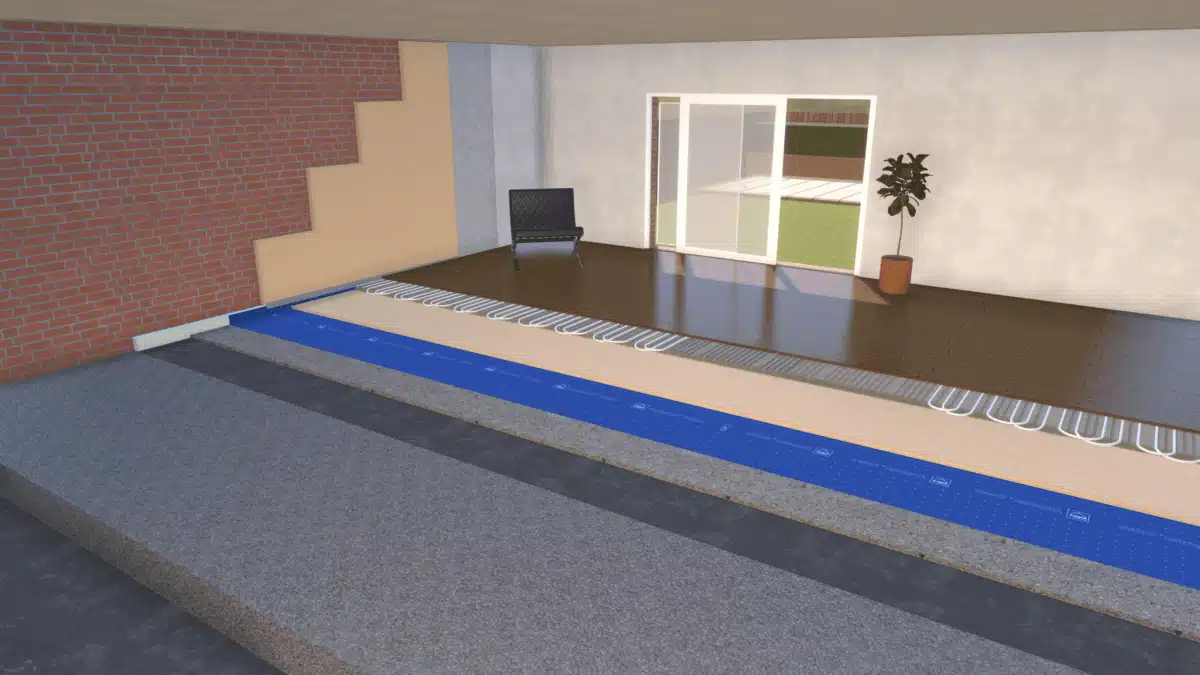
One product that is showing enormous potential is the Lithotherm Underfloor heating system. Because of the way the tile is made up it means that you need much lower input temperatures to achieve a similar heat output which makes it ideal for use with solar, ground- or air-source, all of which are becoming more popular. The product is made from recycled waste brick and takes the place of a conventional floor screed. Because it is a dry system it means that it is ideal for use with timber or tile floors as they can be laid on top immediately after the Lithotherm tiles are laid. Fantastic!!!!

Now that the market for these green materials is growing so much, manufacturers are beginning to manufacture here. Ibstock are now producing the Thermoplan block here, meaning that very soon the price of the system will drop considerably, coming extremely close in price to conventional cavity walling. This will then make it a complete ‘no brainer’ when it comes to masonry construction, why use conventional cavities when you can have solid, breathable walls with a really good U-value that can be built much much faster than any other sort of masonry?

We have now added an e-brochure to our website, it is in the product page http://www.backtoearth.co.uk/products.html and should come up once you click it. If you can’t see it you may need to empty your cache and then return. The idea was to get all of our product info in a format that is more manageable than 65 different pdf downloads and one that makes it easy to skim through and find the info you need. Hopefully you agree that it is better……Otherwise I’ve wasted a lot of our money!!

So, in summary, although it is tough at the moment, I think things are beginning to move once again. The building industry may well be different to what it was before but change is rarely easy or comfortable and hopefully things will be better.

June 16, 2009

Show Time!

Filed under: Uncategorized — admin @ 3:16 pm

The season of local shows is upon us!! We started off with the Homes for Good show at Westpoint in Exeter, next was the highlight of the social calendar, the ‘Thorverton Country Show’ (which actually brings in as many sales as some of the large shows), after that is the Mid Devon Show (25th July http://www.middevonshow.co.uk/, again another really good one for local contacts and sales) finishing with the Green Living Show at Stourhead in Wiltshire (3rd & 4th October, www.greenlivingshow.co.uk). Please come along and see our new ranges if you live near any of these shows, see the websites for more info.

We are also doing some events for RIBA (Royal Institute of British Architects) which should be interesting, hopefully for the architects as well as us. We are taking all of our products along to each show and talking for around 2.5 to 3 hours on them so as they get a real understanding of how to use the systems and where they can be used (Did I say interesting?? Informative at least). When we do CPD’s or talks you rarely get enough time to talk about the materials in any great depth and unless people are really interested they often forget quite quickly.

We’re currently talking to Exeter University about doing some research into how combinations of the materials we sell perform and how we can measure their performance against some less sustainable alternatives. The idea behind this is to give customers a real idea of how much better the materials are rather than just having to take my word for it. We will then be able to say (or not) why and by how much the systems are better than others. We should also be building a house soon which will be packed full of sensors to get some real life data on the way a building performs.

Thankfully we’ve been extremely busy over the last 3 months and have more than doubled our turnover during that time, consequently we are beginning to outgrow our current facilities and we may have to look at moving to larger premises soon. Has anyone got a really big warehouse, with good transport links, local to us for next to no rent. Is that asking too much????

Older Posts »

Powered by WordPress