PRODUCT SEARCH
Find high performance, low impact materials for your building project.
To discuss your project give us a call on 01392 861763

Our SystemsWalls
Sound Insulation Partition Walls
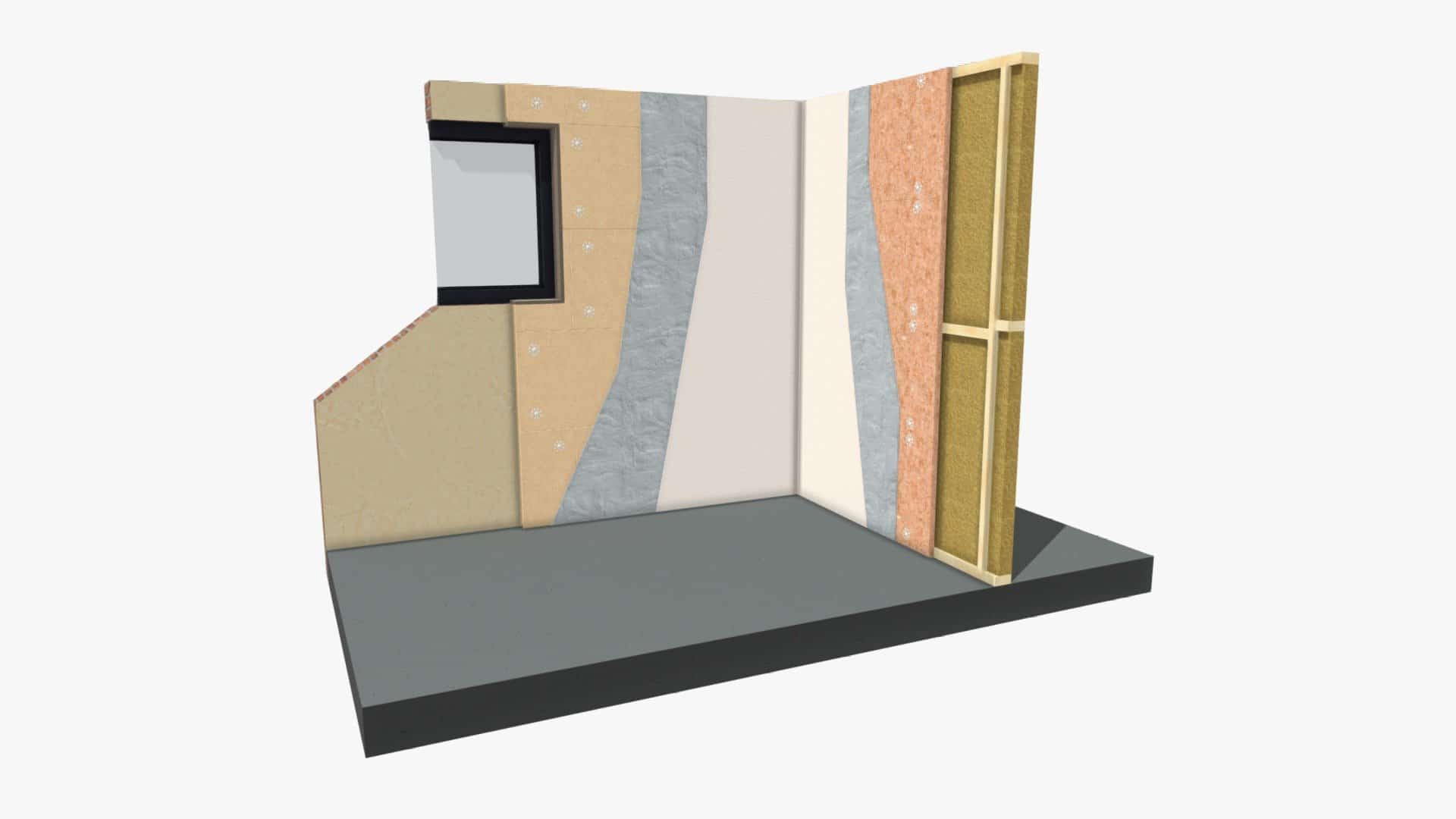
Cut noise between rooms with dense SteicoFlex wood fibre insulation between timber studs and heavy EBB clay boards on both faces, finished in clay or lime plaster. A natural, non-combustible build-up for quieter, healthier homes.
Overview
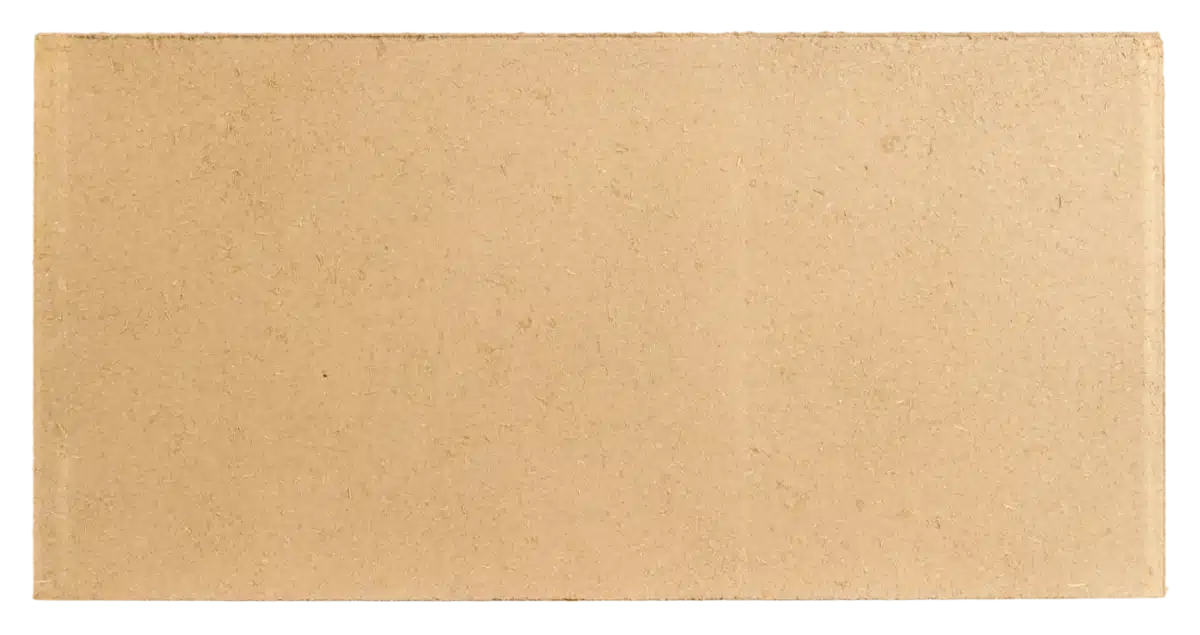
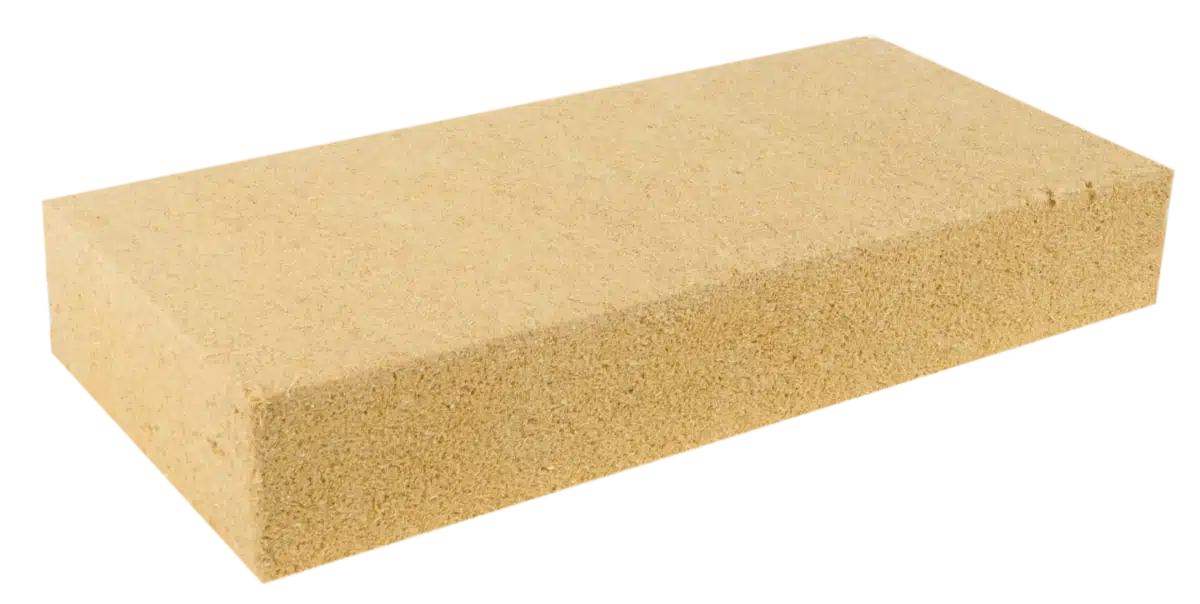
Timber stud partitions are usually the worst walls in a house for sound, because they are light and rigid. Filling them with dense SteicoFlex wood fibre insulation and facing both sides with 22mm EBB clay boards adds mass and absorption, giving acoustic separation that can outperform a masonry wall.
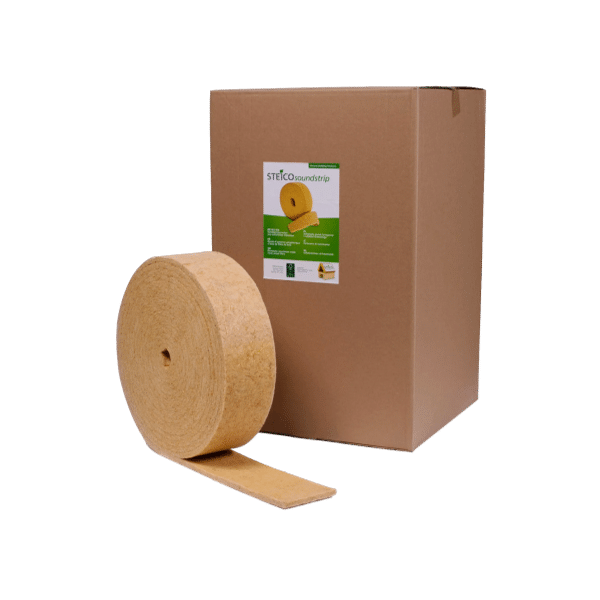
On a new wall, Steico SoundStrip is run around the perimeter first to reduce flanking noise through the floor, ceiling and adjoining walls. Studs are best set at 417 or 625mm centres so the 1250 x 625mm clay boards join on a stud. Where that isn’t possible, fix a layer of 11mm OSB over the studs first, or cut the boards to suit.
The boards are finished in clay plaster, which buffers moisture well and comes in beautiful finishes, or in lime plaster for busy areas where a tougher surface is needed.
The same approach works on masonry party walls: plaster the wall fully for airtightness, fix 25mm battens with SteicoFlex between them, then clay board and plaster. The full installation guide covers both.
Key benefits
- Dense wood fibre and heavy clay boards for high acoustic separation
- Tested clay board partition rated Rw 52 dB
- Non-combustible Class A1 clay boards
- Steico SoundStrip cuts flanking noise around the wall
- Natural, low embodied carbon materials
- Clay plaster finishes buffer humidity for a healthier indoor environment
Products used in this system




Related specifications
Ready-made build-ups using this system. Open one to see the full specification and 3D model.
Need something different? Create your own specification.
How it’s installed
Insulating a masonry party wall? Plaster the wall fully first, including between the joists and behind skirtings, so it’s airtight. Then fix 25mm battens at 417 or 625mm centres with SteicoFlex between them, and follow steps 3 and 4.
Step 1
Fit SoundStrip around the edges
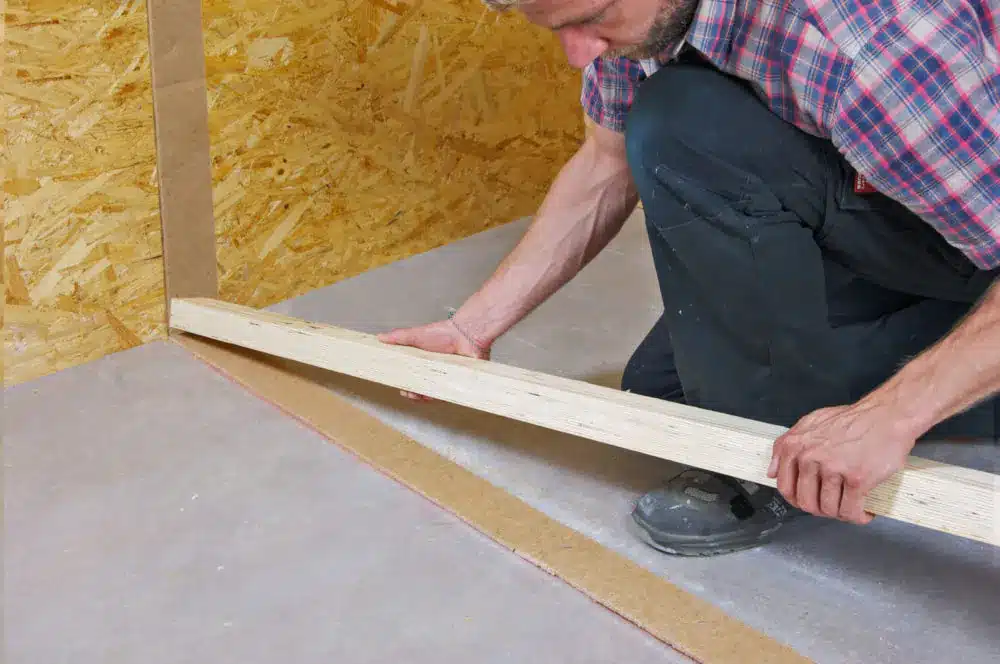
On a new wall, glue or staple 100 x 10mm Steico SoundStrip to the floor, ceiling and adjoining walls before the studs go in. It cuts flanking noise around the edges of the partition.

Step 2
Fill between the studs
Fill every bay with SteicoFlex slightly thinner than the studs, such as 80mm batts in a 100mm stud. Cut batts 10mm wider than the gap for a snug friction fit and leave no voids.

Step 3
Fix the clay boards
Screw 22mm EBB clay boards to studs at 417 or 625mm centres, using stainless screws of 50mm or longer with 36mm washers. Use 3 fixings per stud, kept 50mm in from the long edges.
Step 4
Plaster the boards
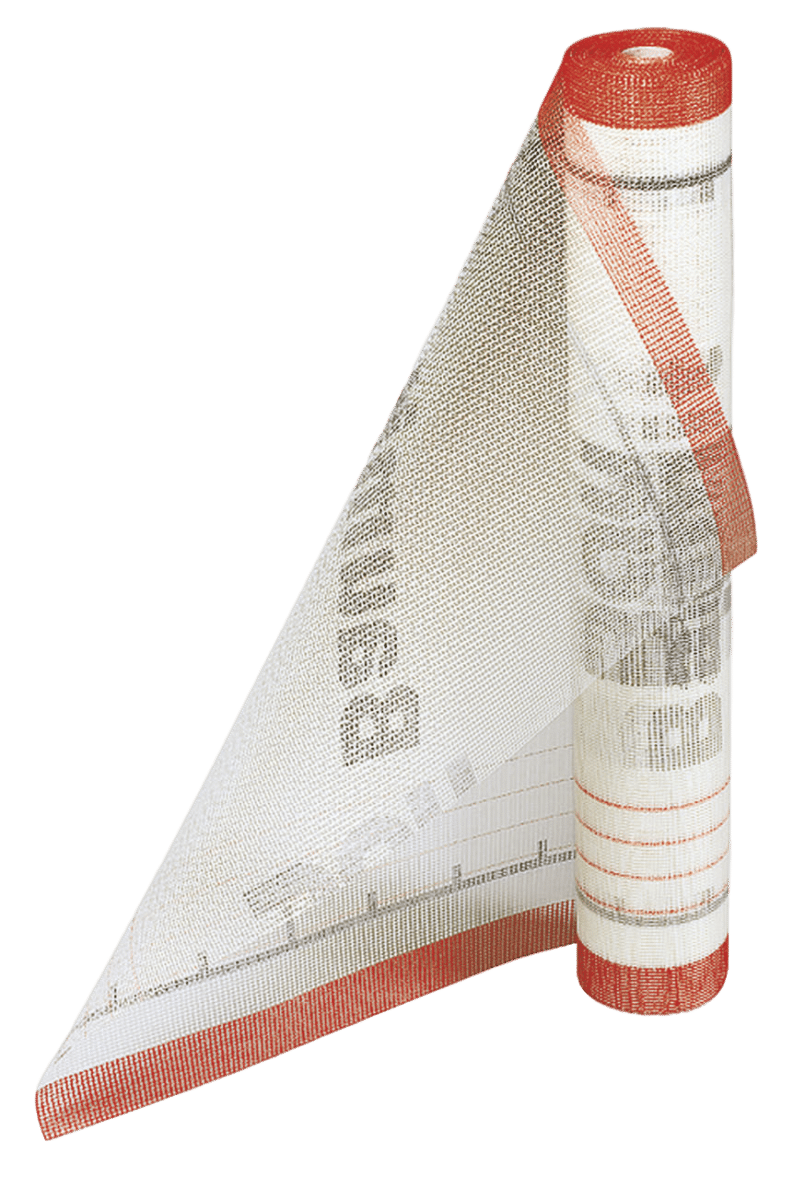
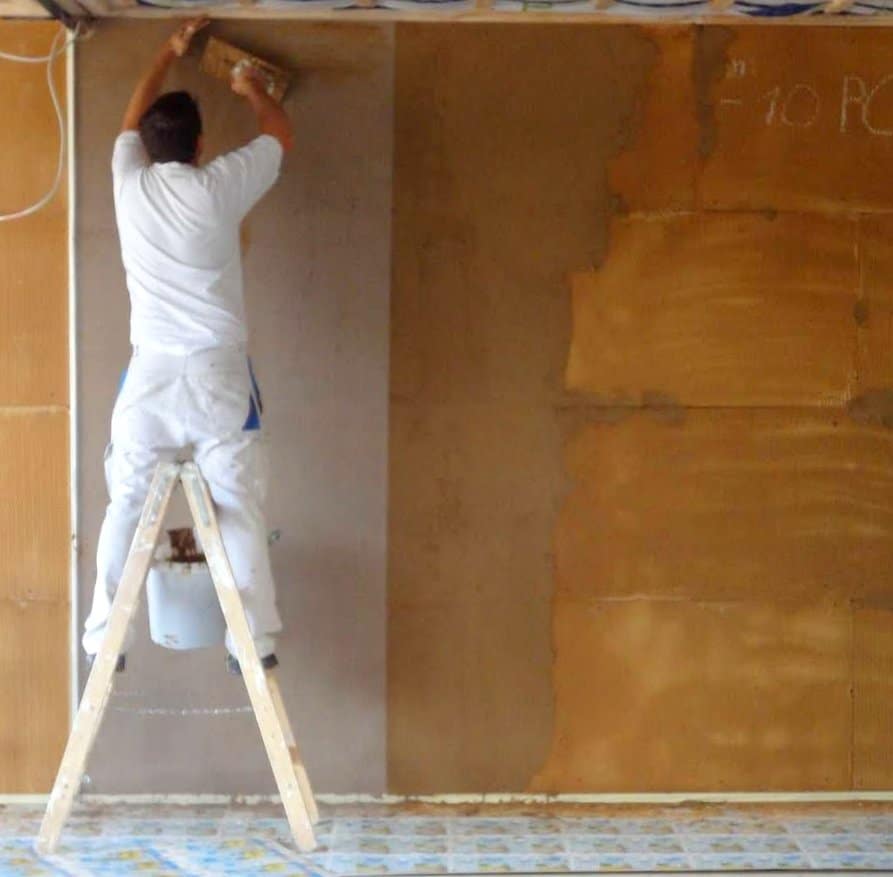
Finish in clay plaster for moisture buffering and natural colours, or lime plaster in busy areas that need a tougher surface. Reinforce the base coat with Baumit StarTex mesh.
Not sure which system is right?
Our team can advise on the best build-up for your project. Call us on 01392 861763 or send us a message.