PRODUCT SEARCH
Find high performance, low impact materials for your building project.
Clay Boards & Plasters
Materials
Specification generator
Find out which low impact materials are right for your building project.
What is Clay Plaster?
Clay plasters are simply a mixture of clay and sand in a ratio that forms a plasterable mixture. They are usually reinforced with meshes (from Jute or fibreglass) or cut plant fibres to reduce cracks formed by shrinkage during drying.
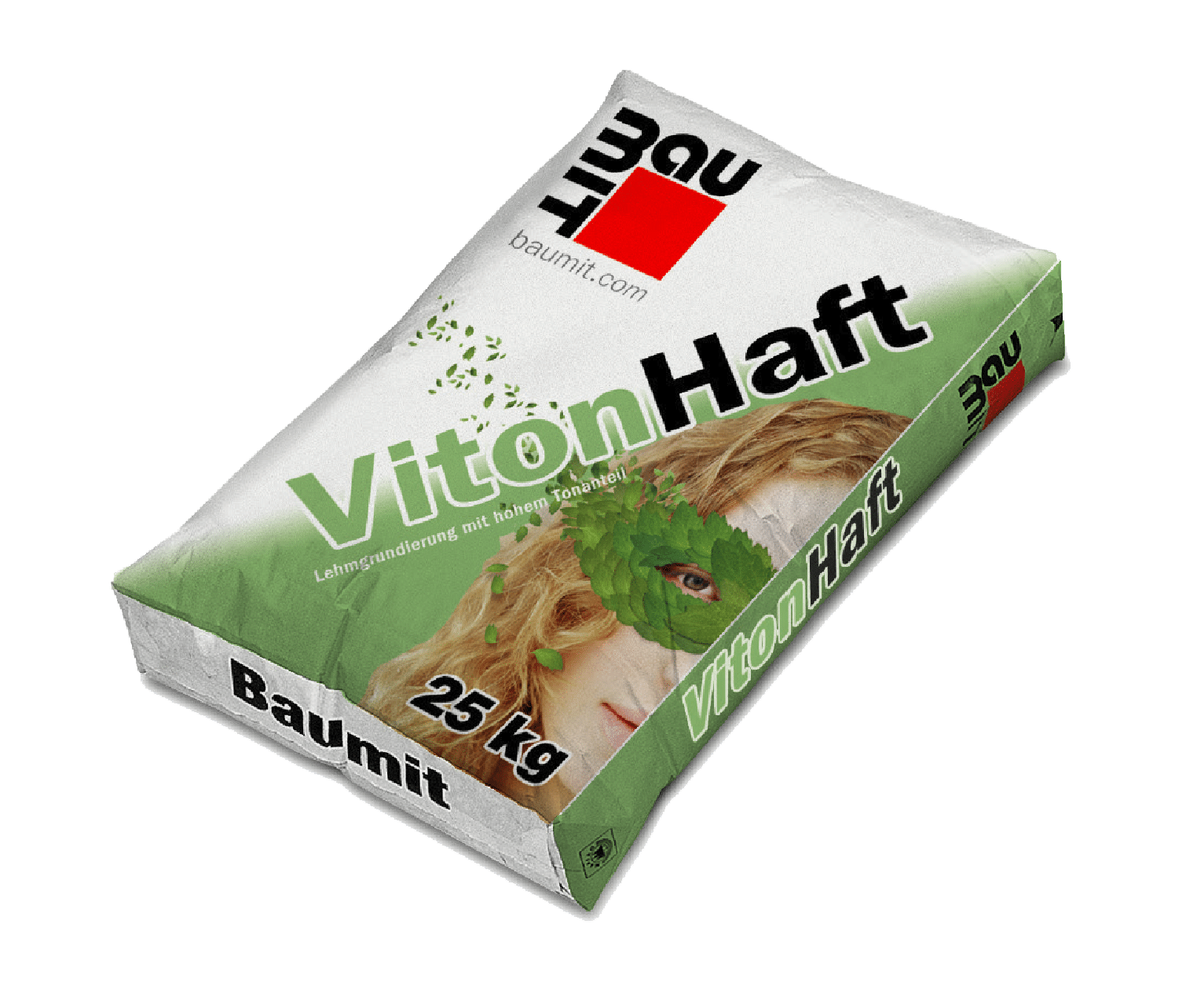
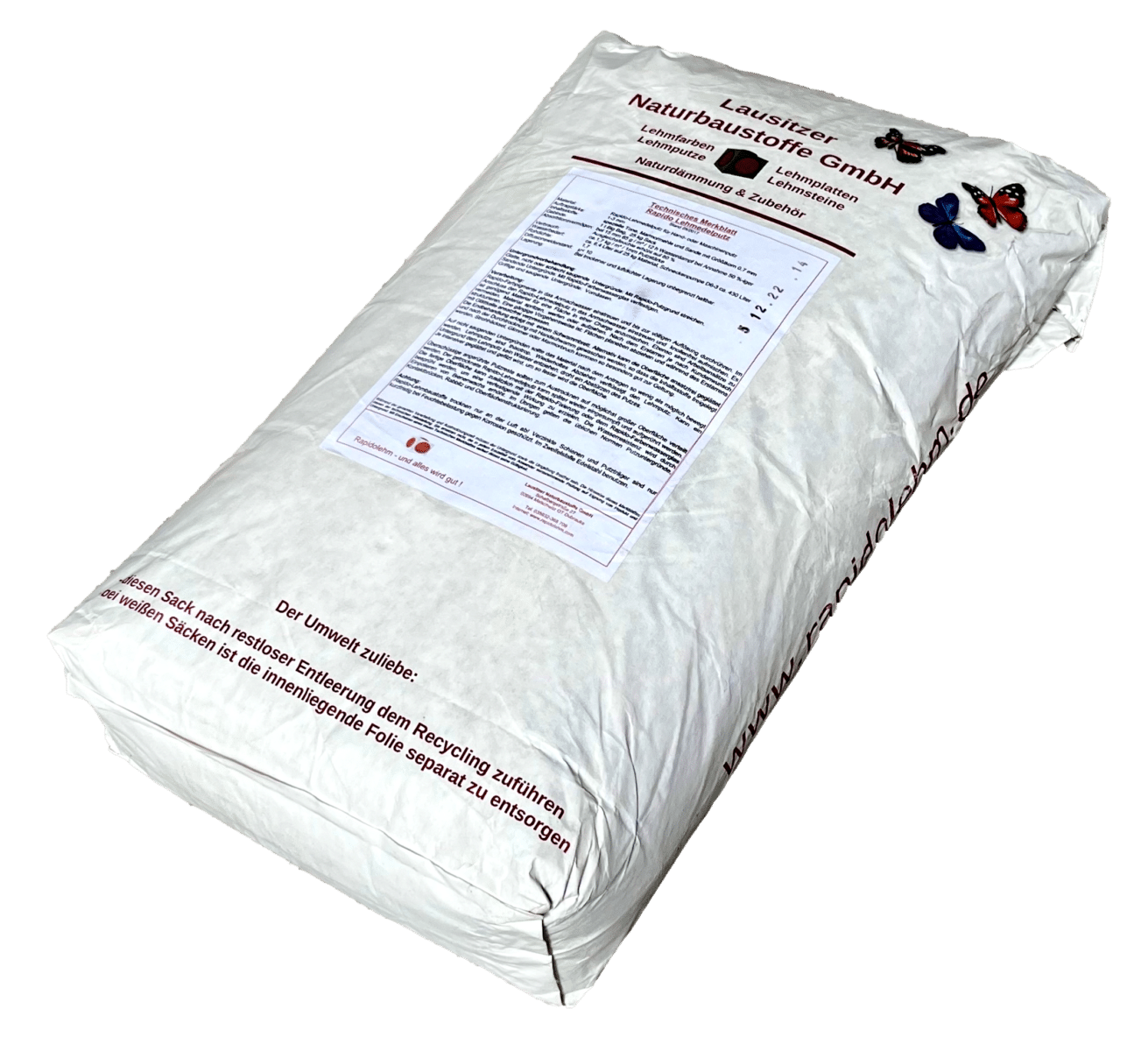
Our range contains pre-mixed plasters which use washed and graded clays, mixed with appropriate angular sands to give robust, durable clay plasters that perform the same time after time.
However, it is perfectly possible to source clays from building sites where excavations bring up suitable material. This can be mixed with local sands to give variations in colour and texture that are unique to each project.
Clay plasters can be used to finish walls and ceilings to give a more textured and curvaceous surface or can be used formally to give flat, smooth surfaces. For more information, read our article on The Benefits of using Clay Plaster
Clay plaster vs Lime plaster
The two plasters are similar in terms of their vapour permeability but that is really where the similarities end.
The embodied carbon of the two plasters is very different. Clay is simply dried and mixed with sand to produce the plaster. Lime is manufactured from limestone heated in a kiln to over 1000C and whilst it absorbs most of the CO2 that comes from burning the limestone, the CO2 from the fuel is not absorbed.
Clay plasters are more hygroscopic than lime plasters. This means they can absorb and release larger amounts of moisture and are more effective at buffering humidity within a room or within a construction.
Lime plasters are more robust than clay plasters. Where there is likely to be impact or high humidity/water on a surface, clay plasters would not usually be suitable. The Baumit Viton Festiger strengthens clay plaster but does not make it suitable for areas with high humidity or water.

What are Clay Boards?
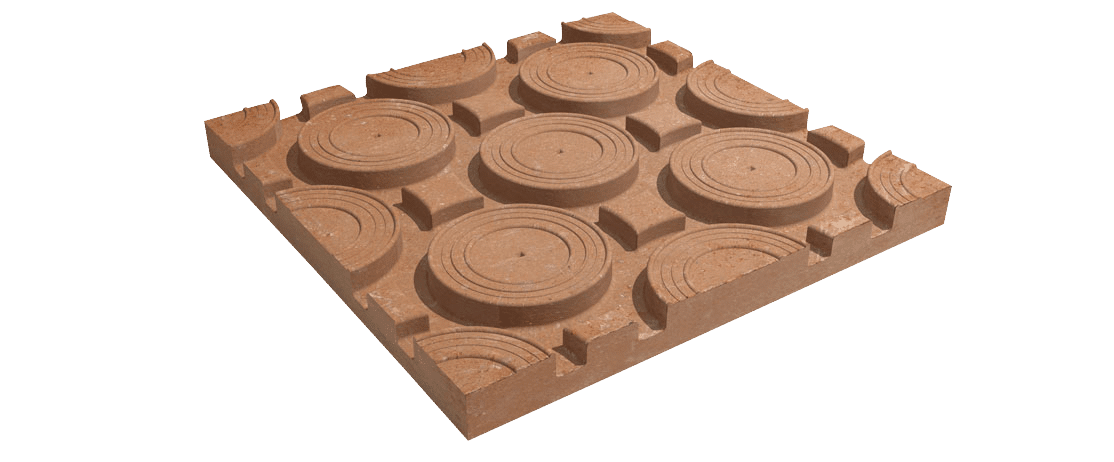
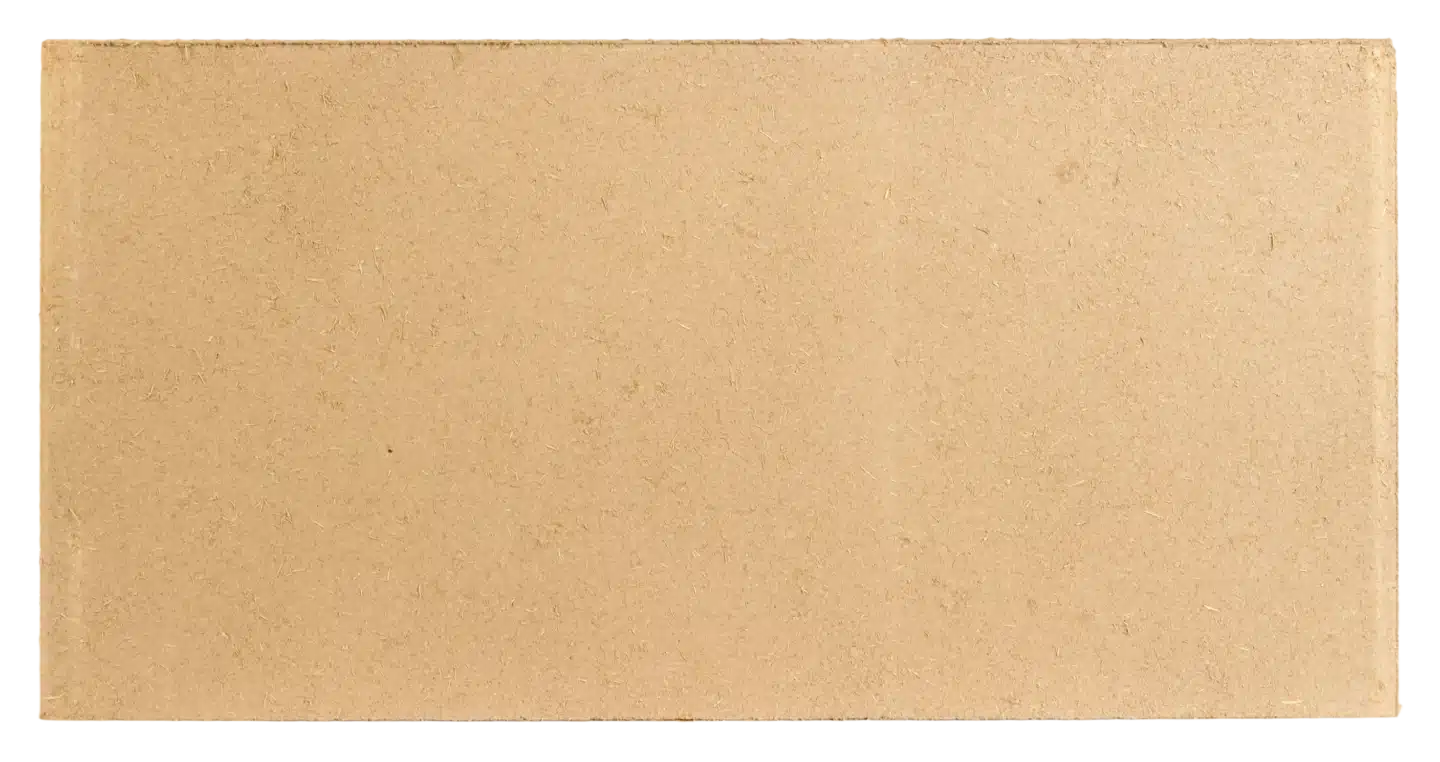
Clay boards are relatively small boards made from compressed, reinforced clay which are an internal alternative to plasterboard or wood wool boards.
Clay boards are made by mixing clay, sands and wood fibres in a fairly dry mix, spreading this into a mould and then compressing and extremely high pressures. This binds the materials together in a very uniform, robust board that can be used on walls or ceilings.
Clay boards are a very effective way to prevent sound transmission across timber structures, creating partitions with better performance than solid masonry.
They also massively increase the thermal mass of otherwise lightweight timber structures, boosting summer comfort and buffering heat gains in spring and autumn.

Clay boards vs gypsum plasterboard
Whilst both can be used for lining walls and ceilings, they are not directly comparable.
Clay boards are used to boost thermal mass and for providing exceptional acoustic separation between rooms or floors. Their sound transmission is extremely low and density very high and would require 3 layers of plasterboard to replicate.
The embodied energy in clay boards is also very low at around 64 kgCO2/m3 whereas plasterboard is much higher at around 260 kgCO2/m3 . Where the aim is to keep embodied carbon from the construction materials to a minimum, clay boards are a very effective way to achieve this.
Where waste has to be disposed of, clay boards can be disposed of easily in any normal waste stream instead of the specialist skips that are required for plasterboard, reducing the overall cost differences between the two.
However, at around £29/m2 + VAT, they are not a cheap alternative to plasterboard if the main aim is to provide a surface to plaster.
Our advice is to use the clay boards where you really need the benefits but to stick with standard plasterboard where you just need a board for plastering. Gypsum and paper are natural, breathable materials after all.
Clay boards and Fire
Whilst clay boards are completely non-combustible and provide good fire protection, we only have fire certificates for non-structural partitions up to 120 minutes currently. Consequently, if you need fire separation in structural elements, plasterboard may still have to be used.
Please contact us for more detailed information.
Can clay plasters be used on plasterboard?
Clay plasters can be used to skim standard plasterboard to provide a fully breathable build-up. However, we recommend the use of a primer (such as Blue Grit) on to the surface of the boards first to ensure good adhesion. We would also not recommend using more than 5mm of plaster over the boards to reduce the risk of delamination.
Rapido clay plaster fine finish can be applied as a single coat or two coat finish over the boards and the reinforcing scrim tape should still be used across all joints.